
These are three factors that alcoholic beverage firms need to consider to achieve sustainable growth.
Recently, we got our team of experts together to review the state of the supply chain in the alcoholic drink sector. While it shares many factors with the wider FMCG sector, there are elements unique to it as well:
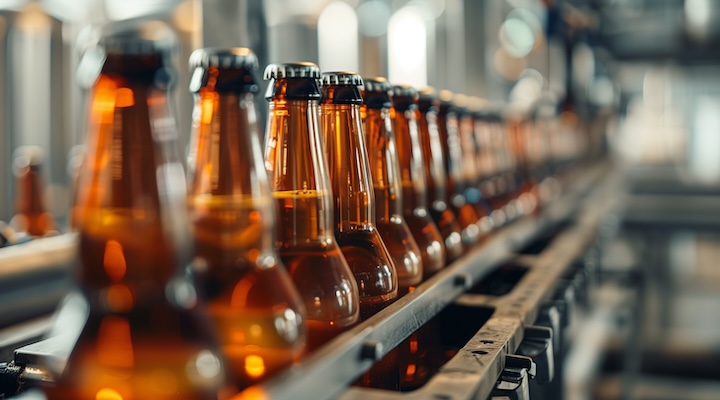
- The beer industry has short timeframes to market, with the product typically consumed within 28 days of production.
- The wine industry has huge diversity in its supply chains from artisan production to mass produced global products, with both heavily influenced by agricultural uncertainty.
- Companies in the spirits industry producing aged products face the relatively unique challenge of understanding at what time and what quantity to release their products
Based on our discussions, we’ve pulled out the three key takeaways we see having the biggest impact on the sector across 2024 and beyond:
- Leverage AI to combat cost pressures and labour risks
To date, the industry has continued to grow despite having relatively inefficient operating models. This has largely been thanks to the comparatively low turnover of employees and high margins. This model now appears unsustainable, with companies finding it harder to attract and retain employees while overall costs are increasing. This forces companies to either absorb the costs into their margins or find efficiencies. An AI-enhanced operation model could be the answer, with one of our clients achieving a 93 per cent reduction in customer order processing time, nearly equating to the hours of one full-time employee.
- Take the lead on sustainability
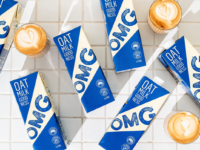
This drive for cost efficiencies is likely to run alongside sustainability as a theme that is not going anywhere over the medium- to long-term. However, the drive to succeed in one area need not be at the expense of the other. For example, sustainable alternatives to current packaging can meet both criteria – it feels like this change is a “when, not if” scenario. An additional benefit might be the ability to appeal a younger audience – something alcohol brands are finding increasingly difficult with current trends.
- Changing weather conditions are a risk and an opportunity
Climate change is having a clear impact on the planet and the alcohol industry is no exception. While efforts are being made to limit the impact, weather conditions will likely remain this way for some time. This may mean reassessing supply chains for areas that are now more exposed to effects from severe weather, while also looking at alternative solutions that may have not been feasible 10 or 20 years ago. A good example of this has been the growing wine industry in England and how and where spirits can be aged. These changes combined with advances in technology could radically change what is considered best practice in the industry.
- Ready to drive your drinks business to new heights and start implementing these strategies today for a sustainable and successful future? Get in touch with our food & drink experts today: food-and-drink.australia@argonandco.com.