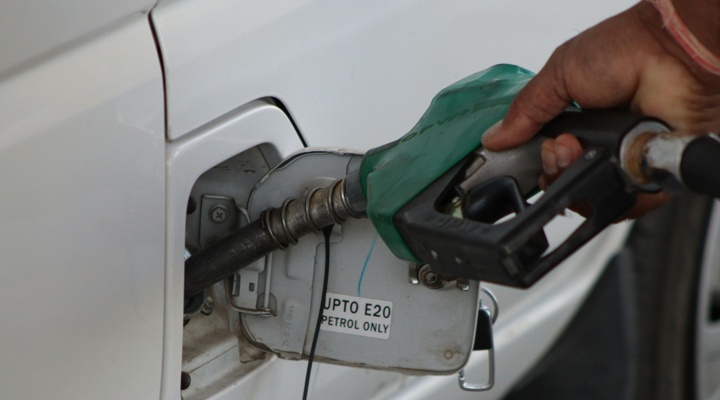

As we move into the second quarter of 2026, the retail landscape is being reshaped by a factor once thought to be a relic of a bygone era: the geopolitical volatility of the Persian Gulf. For those of us with long enough memories, the current headlines carry a distinct sense of déjà vu. While I wasn’t driving then, I am old enough to remember the fuel shortages of 1979 in Australia. The frustration of petrol rationing, checking if it was an “odd” or “even” day for your licence plate,
Unlock indepth features,executive

Unlock indepth features,executive
interviews and quarterly magazines
SUBSCRIBE NOW
Already a Premium subscriber? Log in
Just for$39.95per year
As we move into the second quarter of 2026, the retail landscape is being reshaped by a factor once thought to be a relic of a bygone era: the geopolitical volatility of the Persian Gulf. For those of us with long enough memories, the current headlines carry a distinct sense of déjà vu. While I wasn’t driving then, I am old enough to remember the fuel shortages of 1979 in Australia. The frustration of petrol rationing, checking if it was an “odd” or “even” day for your licence plate, and watching lines snake around the block just to reach a petrol pump, all the while praying there was still fuel left by the time you reached the front.While we aren’t quite back to those days yet, the economic pressure is remarkably similar. With petrol prices at Australian pumps having crossed the $2.50 per litre mark and diesel touching $3.00, the cost to visit a physical store is shifting from a negligible afterthought to a calculated household expense.For the Australian consumer, the drive to the shopping centre is no longer just a weekend ritual; it is a logistical decision. This friction is birthing a new phase of retail, the efficiency economy. In this environment, the winners won’t just be those with the best products, but those who can mitigate the physical and financial friction of the transaction through digital precision.The new maths of the digital basketFor years, e-commerce was sold on the promise of convenience. Today, it could be sold on the promise of fuel hedging. If a customer can save a 20-kilometre round trip to a regional shopping centre, they’ve effectively saved themselves US$10 to US$15 in fuel and wear-and-tear.This rapid acceleration in digital adoption was highlighted by Leah Weckert, the CEO of Coles Group. Weckert noted the dramatic shift in consumer behaviour, explaining how it took 20 years of running Coles online to get to 3 per cent of sales, yet, “It’s taken the last five to go from 3 per cent to almost 14 per cent.”However, this shift comes at a time when the retail industry’s own last mile is becoming more expensive. Australia Post announced a significant jump in fuel surcharges, increasing domestic contract rates from 4.8 per cent to 12 per cent. This creates a strategic pincer movement: consumers want to drive less, but shipping those goods is costing retailers more.The solution isn’t to simply absorb the cost or blindly pass it on. The answer lies in basket density. In the efficiency economy, the single-item order is a margin killer. Retailers must move beyond basic “people also bought” carousels toward predictive replenishment and intent-based bundling.If a customer is buying a heavy bag of dog food or a bulk pack of detergent, items that justify the avoid-the-drive logic, the recommendation engine should be working overtime to surface high-margin, lightweight add-ons that fit in the same shipping bracket. We need to shift the conversation from conversion rate to cubic utility: how much value can we pack into a single delivery to justify that 12 per cent fuel surcharge?Personalisation as a friction-reducerIn a high-cost environment, discovery can feel like a lot of effort. When inflationary pressures stress consumers, they have less patience for irrelevant marketing. This is where personalisation graduates from a marketing tactic to a fundamental operational efficiency.True personalisation in 2026 isn’t just about putting a name in an email; it’s about contextual relevance. If your data shows a customer is increasingly price-sensitive due to rising fuel costs, your digital storefront should lead with value, local availability, and consolidated shipping options.Search as a service: Friction in on-site search is the digital equivalent of a petrol-guzzling traffic jam. If a customer can’t find what they need in three clicks, the efficiency of shopping online evaporates.Predictive agents: Agentic commerce, where AI assistants help consumers complete purchases in seconds, is now here. Retailers who provide clean, structured data to these agents will capture the mission-oriented shopper who wants the best deal with the least amount of digital navigation.The click and collect evolutionWhile online delivery is the headline act, the unsung hero of the efficiency economy is click-and-collect. It represents the perfect compromise in a high-fuel, high-freight world.For the retailer, click-and-collect eliminates the last-mile delivery fee and the looming Australia Post surcharges. For the consumer, it provides the certainty of stock, ensuring that when they do decide to spend the fuel to drive to the shop, the trip is 100 per cent successful.However, the nature of this service is changing. Many retailers now offer drive-up click-and-collect, where staff bring items directly to the car. While this is a win for consumer convenience, it effectively kills the traditional foot-traffic model that drives in-aisle impulse buys.To combat this, the impulse buy must be digitised. Retailers must master the digital checkout counter. Just as a physical store places chocolates and soft drinks at the register, the click-and-collect confirmation screen or the “Your order is ready” notification must become high-converting real estate for small, relevant additions. If the customer isn’t walking through your doors, your app needs to do the heavy lifting of suggestive selling before they even leave their driveway.Shipping strategy: the transparency playWith the Australia Post fee hike, the era of the hidden shipping cost is likely over. Retailers face a choice: raise the free shipping threshold or be transparent about the fuel levy.Data suggests that Australian consumers are becoming more accepting of transparency. Much like the airline industry, retail may need to move toward a model where the base price is low, but logistics costs are clearly articulated. Alternatively, we are seeing the rise of eco-shipping. This slower, consolidated delivery option allows retailers to batch orders by suburb, reducing both carbon footprint and fuel costs. This appeals to the modern consumer’s dual desire for value and sustainability.The bottom lineThe Gulf conflict and the subsequent volatility at the Australian pump are more than just a temporary spike; they are a signal that the era of cheap movement is under threat.It’s time to stop viewing digital and physical as separate channels and start viewing them as a unified system for resource management. Whether it’s using AI to densify the shopping basket, leveraging click and collect to bypass the shipping squeeze, or using personalisation to respect the customer’s limited decision energy, the goal remains the same: maximum value, minimum friction.The retailers who can help the Australian household run more efficiently will be the ones who stay in the basket when the budget gets tight.Richard Taylor is the head of innovation at advertising agency Spinach.