
Over the past decade, protein has shifted from being a niche sports nutrition ingredient to one of the most influential drivers shaping the Australian food and beverage market.
Once primarily associated with athletes and bodybuilders, protein is now widely perceived by mainstream consumers as a foundational nutrient for health, energy, weight management and ageing well.
Consistent with a broader focus on health and wellness in the broader population, which we saw in our latest Focus Insights Grocery Shopper Report, with consumers looking for healthier options and a balanced, healthy lifestyle. This shift is reshaping product innovation, retail shelves and consumer purchasing behaviour across multiple FMCG categories.
The mainstreaming of protein
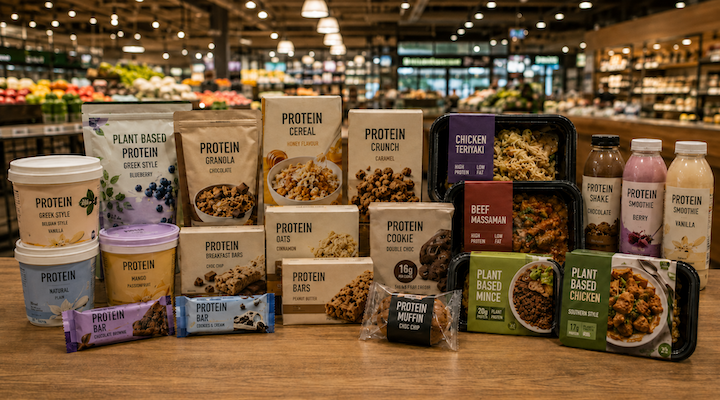
Protein consumption has moved well beyond traditional sources such as meat, dairy, nuts and eggs. Today, it is being added to a wide range of everyday products, including:
- Yoghurts / Dairy snacks.
- Cereals / Breakfast products.
- Snack bars / Bakery items.
- Ready meals.
- Beverages / Smoothies.
- Plant-based foods.
What was once a sports nutrition trend has evolved into a mainstream wellness movement where consumers increasingly view protein as a simple shortcut to healthier eating. This is reflected in protein being the number one-ranked option when it comes to on-pack nutritional information that is important to consumers.
Key drivers behind the protein boom
1. Health and weight management
Protein has become closely linked with weight management and satiety. Compared with carbohydrates or fats, protein is widely understood to keep people feeling fuller for longer, which supports calorie control and appetite management.
2. The fitness and active lifestyle movement
The growth of gym culture, strength training and functional fitness has expanded the audience for protein consumption. Consumers increasingly associate protein with muscle recovery, strength and performance, and sustained energy.
3. Healthy ageing and muscle preservation
Australia’s ageing population is also driving demand. Older consumers are increasingly aware of the role protein plays in maintaining muscle mass, mobility and strength as they age. This has helped protein evolve from a performance nutrient to a longevity nutrient.
4. The rise of functional foods
Consumers are increasingly seeking foods that deliver functional health benefits. Protein fits perfectly into this movement because it offers a tangible, measurable nutrient benefit that is easy to communicate on packaging with callouts such as ‘high protein’ or ‘protein-enriched’ claims signalling health and nutrition value to shoppers.
5. The influence of GLP-1 and satiety-focused diets
The rise of appetite-regulating weight-loss drugs (such as GLP-1 medications) is likely to further strengthen demand. These treatments reduce food intake, encouraging consumers to prioritise nutrient-dense foods, particularly protein, to maintain muscle mass and overall nutrition. As eating occasions become smaller, nutrient density per bite becomes more important, positioning protein as a key nutritional priority.
How protein is changing the FMCG landscape
The rise of protein is influencing food and beverage consumption in several important ways.
1. Growth of high-protein product claims, which are now among the most common nutrition claims on food packaging. Many products that historically focused on flavour or indulgence are now reformulated to highlight protein content.
2. Snacking is becoming more functional with protein transforming the snack category. Consumers increasingly prefer snacks that deliver nutritional benefits rather than empty calories. Growth categories include protein bars, high-protein yoghurts, nuts and seed snacks, and protein-fortified beverages.
3. The reinvention of traditional categories: Protein is now being added to categories that historically contained very little of it, demonstrating how protein has become a cross-category innovation platform. Some key examples include protein cereals, breads, ice cream, pasta and beverages.
4. Increased demand for nutrient density: Consumers are increasingly evaluating foods based on nutrient density rather than just calories. This shift is encouraging brands to improve the nutritional profile of products by adding protein, fibre and other functional ingredients.
Key takeaways: The protein trend is expected to continue shaping the food and beverage market over the next decade. In Australia, the trend reflects broader shifts in consumer priorities – including health optimisation, weight management, functional nutrition and healthy ageing.
Rather than being a temporary dietary trend, protein appears to be becoming a core principle of modern food choices, influencing everything from product formulation to shopper behaviour.
For food manufacturers and retailers, the opportunity lies not simply in adding protein to products, but in designing and testing foods that deliver greater nutritional value per eating occasion in an increasingly health-focused marketplace.
- Reach out to hello@focusinsights.com.au if you’d like to understand more about these trends and how they might impact your business.