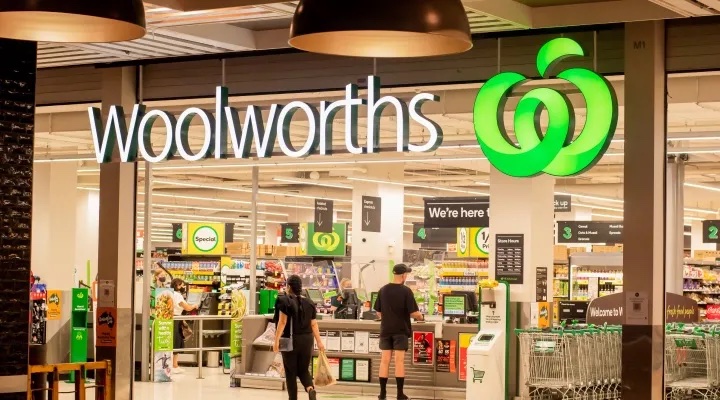

Woolworths last week confirmed it would no longer sell Tasmanian beef across its network from 2027, news that hit farmers already under pressure amid a fluctuating market.
According to ABC News, the supermarket giant will end its relationship with JBS Foods’ Tasmanian abattoir at Longford starting next year, citing rising production and shipping costs across Bass Strait.
Woolworths currently sources around 80 head of cattle per week from Tasmania. Farmer Jerrod Nichols said he had supplied Woolworths with 40 cattle a fortnight over the past two years and that the contract had provided him with security in a changing market.
Nichols, thus, called the loss a “kick in the guts” for Tasmanian producers.
Butchers backing local producers
Following the decision, Tasmanian butchers have backed their local suppliers by encouraging Tasmanians to continue, or begin, buying local beef.
“I think other butchers and anyone in the meat game should be doing the same and promoting our local product,” Rob Perry, owner of Casalinga Gourmet Meats butchery based in Launceston, told ABC. Perry said he wanted to give consumers more choice following Woolworths’ exit.
Jennifer Robinson, CEO of agricultural non-profit Sprout Tasmania, says Woolworths’ decision is “really disappointing”, especially when farmers are “being squeezed” by many things at the same time.
“Due to a lack of service kill processing facilities, Tasmanian farmers who wanted to process their own animals to sell meat under their own brand could not,” she said.
“At the end of the day, we need to keep these producers alive,” Perry insisted.
Governments call for reconsideration
In a letter to Woolworths Group CEO Amanda Bardwell, Premier Jeremy Rockliff and Primary Industries Minister Gavin Pearce urged the group to reconsider its decision to cut Tasmanian beef sourcing.
“While we recognise that Woolworths must make commercial decisions in the interests of its business, we are deeply concerned about the implications of this decision for Tasmanian producers, regional communities and Tasmanian consumers,” the letter stated.
The pair explained that Woolworths’ decision was based on supply chain and cost considerations alone, rather than concerns about the quality of Tasmanian beef or the performance of Tasmanian farmers. They said there was value in exploring alternatives before withdrawing from Tasmanian sourcing altogether, though they still acknowledged the challenges Woolworths has identified.
“The farmers affected by this decision have invested significantly in meeting Woolworths’ requirements and have benefited from the certainty that came with supplying one of Australia’s leading retailers.
“The Tasmanian Government stands ready to participate in constructive discussions with Woolworths and industry stakeholders to explore practical solutions.”
A Woolworths spokesperson said the group was “very mindful of the impact of any changes on them”, adding that Tasmania remains a key source of fresh produce for Woolworths, and the group will continue to buy from local suppliers across a range of fresh produce categories.
“We are working directly with those affected to support them through this transition period into 2027.”