
Over the past few years, in my Sydney beachside suburb, I’ve seen the rise of the chain, with sushi, acai, convenience stores and bottle shops replacing the deli, the newsagent, the butcher and the long-time pizza place. This change has been driven by shifting tastes, increasing rents and cost-of-living pressures. But when independently owned businesses disappear, you lose something more: the character of a place, the unique products you can’t seem to find anywhere else nearby, the relations
Unlock indepth features,executive

Unlock indepth features,executive
interviews and quarterly magazines
SUBSCRIBE NOW
Already a Premium subscriber? Log in
Just for$39.95per year
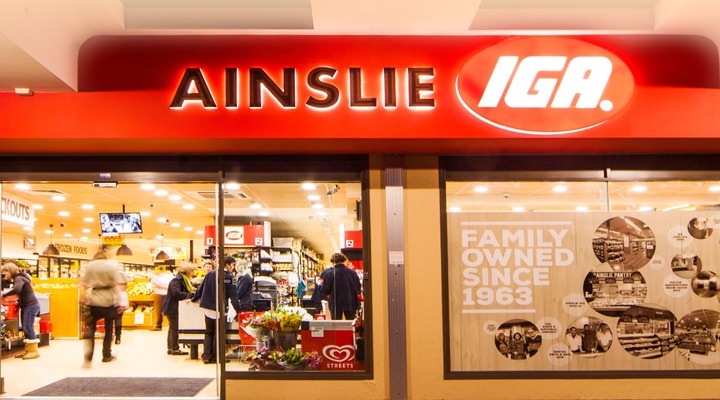
Over the past few years, in my Sydney beachside suburb, I’ve seen the rise of the chain, with sushi, acai, convenience stores and bottle shops replacing the deli, the newsagent, the butcher and the long-time pizza place. This change has been driven by shifting tastes, increasing rents and cost-of-living pressures.But when independently owned businesses disappear, you lose something more: the character of a place, the unique products you can’t seem to find anywhere else nearby, the relationships built over years or the experience that feels particular to this neighbourhood rather than one that could exist anywhere.This isn’t just sentimental; these differences have commercial value too. They create different experiences, support different suppliers and, importantly, give customers genuine choice. All this is increasingly relevant in our highly concentrated Australian market.The challenge for independent retailers is how they sustain themselves and grow, and how they do so without losing the difference that gives customers a reason to choose them.A market driven by dominanceThe ACCC estimates Woolworths and Coles account for around 67 per cent of national supermarket retail sales and has described Australian supermarket retailing as an oligopoly. The 2024–25 Supermarkets Inquiry found the two majors offer customers a broadly similar experience, with largely undifferentiated ranges, pricing and promotions. That level of concentration risks more than reduced competition. It also risks more sameness.But shoppers are already looking beyond the default. The ACCC found nearly 70 per cent of consumers visit two or three grocery stores in a typical week, often to save money or seek out different products.While price may be driving much of that behaviour, it creates an opening for independents to offer something the bigger players cannot easily replicate.Independence doesn’t have to stay smallThe independents disappearing from local high streets are often the smallest and most vulnerable. But independence is not only a small-business story. Some of Australia’s most interesting independent retailers have found ways to sustain themselves, to grow without losing the character and local relevance that made them different in the first place.Melbourne’s LaManna is Australia’s largest independent supermarket, but what makes it interesting is not its size. Patrick LaManna’s grandfather Pasquale arrived in Australia through Essendon Airport in 1948, metres from where the supermarket now stands. That family history still feels present in the business today.“Family Matters” is its number one value, and customers are referred to as guests in the family home. Patrick LaManna has even described them as the business’s shareholders because, without a corporate parent to answer to, they are the people who matter most.That thinking is visible throughout the store itself, where fresh produce, specialty food, prepared meals, hospitality and service come together into an experience people deliberately travel for. It feels personal and particular, rather than a generic supermarket with a different name above the door.IGA works in a very different way. But there is something similar in the freedom individual owners have to reflect the people and places around them. With more than 1,200 independently owned stores operating under the banner, the model gives local owners the ability to bring their own communities and histories into the experience.At Canberra’s Ainslie IGA, three generations of the Xyrakis family have been involved in the business, with a strong focus on local suppliers and community organisations. At Boccaccio IGA in Balwyn, three generations of the D’Anna family work in the store, with its Italian heritage naturally reflected in the range and experience.There is no single IGA experience, and that is part of what makes the model interesting. The benefits of scale are there, but so is the freedom for individual stores to stay relevant to their own communities.Harris Farm has taken a different path again. The brand has grown from one store in Villawood in 1971 to 33 stores across NSW and Queensland, while remaining 100 per cent family owned and maintaining a clear point of view around fresh food, seasonality, growers and provenance. Its partnership with Amazon this year makes that especially interesting. Harris Farm products are now available through Amazon with same-day or next-day delivery across parts of Sydney, Brisbane, the Gold Coast, Canberra and Newcastle, putting the brand into the hands of many.In their own way, LaManna, IGA and Harris Farm have all managed to grow while maintaining what is unique about who they are and the people they serve.Knowing who you areStarbucks’ first attempt in Australia is a well-known story. It expanded rapidly after entering the market in 2000, before closing 61 stores in 2008 and leaving just 23 operating.For years, the lesson was that Australians simply preferred independent coffee. But Starbucks returned to growth and recorded its first Australian profit in FY2023 after more than two decades in the market. It hasn’t done that by trying to become a better version of the neighbourhood café. Instead, it has continued to lean into things that are recognisably Starbucks, including customisation, mobile ordering and drive-through convenience.Starbucks’ experience points to what independents all know: the value of bringing something different. Whether that comes through the products they stock, the suppliers they support, the experience they create or the way they respond to the communities around them, that difference gives people another reason to choose.I don’t want every retailer on my local high street to remain exactly as it was 20 years ago. Retail changes, consumers change and good businesses should be able to grow. But the more retailers can hold onto what is genuinely distinctive and relevant about them, the more meaningful choice we keep in the market.It’s on us as consumers too. If we value having independents around, we have to keep choosing them. Not out of nostalgia or obligation, but because they offer something we genuinely value and want to keep as part of our culture.About the author: Ashling Withers is an associate strategy director at branding agency Principals.Further reading: What did Woolworths see in the IGA down the road?