
Nestle has gone beyond creating meat alternatives in the plant-based market, rolling out vegan versions of Milo and KitKat – and now venturing into producing seafood alternatives. Inside FMCG interviewed Kristina Czepl, GM of the foods business unit at Nestle Oceania on the company’s plans in the plant-based category, its new facilities in Malaysia and China and its foray into the seafood category. Inside FMCG: Consumers are eating more plant-based foods as part of a switch to eating healt
Unlock indepth features,executive

Unlock indepth features,executive
interviews and quarterly magazines
SUBSCRIBE NOW
Already a Premium subscriber? Log in
Just for$39.95per year
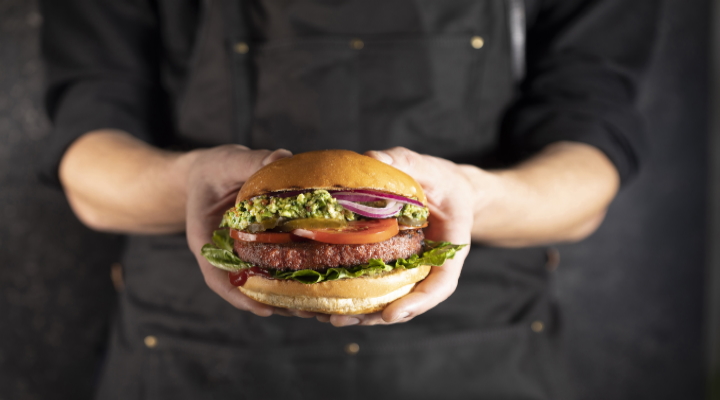
Nestle has gone beyond creating meat alternatives in the plant-based market, rolling out vegan versions of Milo and KitKat – and now venturing into producing seafood alternatives. Inside FMCG interviewed Kristina Czepl, GM of the foods business unit at Nestle Oceania on the company’s plans in the plant-based category, its new facilities in Malaysia and China and its foray into the seafood category.Inside FMCG: Consumers are eating more plant-based foods as part of a switch to eating healthily, especially with the Covid-19 outbreak. How does Nestle plan to invest more in the growing plant-based market?Kristina Czepl: Nestle is increasingly putting a focus on tasty, authentic plant-based food and beverages. With research showing that one in four Australians are reducing or excluding animal products from their diet (vegetarian/vegan/flexitarian), we believe this trend is here to stay, as consumers look at different ways to enjoy food that is good for them and good for the planet.There is a quiet food revolution underway that is changing how people eat. We need that change if we want to feed a growing world population in a sustainable way. We want to be at the forefront of that, championing the discovery of plant-based foods and beverages.This also feeds into Nestle’s wider goal to reach net-zero emissions by 2050 and halve emissions by 2030. To help achieve this we have pledged to offer more plant-based alternatives and support regenerative agriculture. Inside FMCG: How is the plant-based food industry faring in the region? KC: We are very happy with the growth that this category is showing. Last year, globally, Nestle achieved more than US$888 million in sales of plant-based products. Of that, $777 million was in the wider plant-based food category, including products like noodles, soups, ready-meals and so on. From that, about $222 million was invested in plant-based meat alternatives. We had an additional $111 million in sales from dairy alternatives, which includes milk alternatives but also coffee creamers for example. All these are growing by double-digit rates now. While we prefer not to make any projections going forward, as this is such a fast-moving category, we believe this trend is here to stay so expect good things from this category going forward, and we are certainly putting a lot of work in on the development side. Nestle opened plant-based manufacturing facilities in China and Malaysia to manufacture products like Harvest Gourmet.Inside FMCG: How do you convince consumers to switch to eating plant-based foods?KC: This is a category that is being driven by a growing demand for plant-based food and beverage options among consumers around the world. Here in Australia, we continue to see more Aussies enjoy a flexitarian diet or reduce their intake of meat and look for dairy alternatives. The key opportunity in developing the category is to deliver plant based products that do not ask the consumer to compromise on taste and texture. We invest in significant research and development and leverage our culinary expertise to consistently deliver a quality product for our consumers. Addressing the key barrier of taste by ensuring a delicious product experience is the best opportunity to entice consumers to return the category for the long term. Food plays a big part in how people choose to look after themselves and their families. We understand that part of that is also choosing products that have recognisable ingredients with more natural recipes that are easy to understand and trust – quite simply, ingredients that they would expect to find in their own kitchen – and we are continuing to deliver on this.Inside FMCG: Nestle has opened a production sites in China and Malaysia. How will these facilities boost the plant-based market?KC: The investment in China was Nestle’s first production facility in Asia for plant-based products. It has allowed Nestle to offer one of the widest ranges of plant-based ranges with a significant offering across retail and out-of-home – which is set to continue to ramp up. By investing more in the latest technologies to create products using plants, Nestle will help to reduce carbon emissions. The company has plans to roll out more plant-based alternatives to seafood such as fish and shellfish.Inside FMCG: The company inked deals with restaurants such as Element Fresh, KyoChon and Carl’s Jr. What other fast foods or restaurants Nestle plan to partner with?KC: In Australia, Nestle Professional supplies plant-based options to a number of hospitality customers, in particular the Harvest Gourmet Sensational Burger. The plant-based burger is now being served on menus across a range of venues, including Oliver’s Real Food, Laundy Hotels NSW, Easey’s, Santa Monica Pizza & Burger Bar and ALH Pubs.Inside FMCG: Plant-based foods are more expensive. How do you lower the cost so that most consumers can avail them?KC: Specialised ingredients typically incur a different price point. While plant-based products require a more complex manufacturing process, overall it is a more sustainable product – and we are committed to investing in products and manufacturing processes that help to reduce our emissions, while not passing those costs on to consumers. Inside FMCG: Nestle is going beyond just meat. Its first foray into seafood is tuna with the Sensational Vuna product. What other seafood products do you plan to roll out?KC: We are already considering the next steps and experimenting with other exciting plant-based alternatives to seafood such as fish and shellfish.Inside FMCG: The company also rolled out vegan KitKat and Milo. Are there any other foods in this category Nestle plan to create? What can consumers look forward to from the company this year?KC: As our consumers look at different ways to enjoy and balance their protein intake and eat more meat-free meals, we want to be able to offer them more plant-based foods and beverage options without them having to compromise on the foods they love – both at home, and while dining out. Milo: Milo was one of our first brands to introduce a delicious dairy alternative with the launch of Milo Plant Based in 2020. Since launch it has outperformed initial forecasts and delighted Milo lovers around the country.Nescafe: Last year, we also launched our Nescafe Gold Plant Based Lattes – Almond, Oat and Coconut lattes, which were voted ‘Product of the Year – Plant Based Drinks category’ (survey of 8000 by Nielsen). KitKat: We announced in February this year the much requested KitKat V, a vegan KitKat. The product is set to launch later in the year across a number of countries worldwide.Harvest Gourmet: building on the success of the Sensational Burger, in 2021/22 there will be a number of plant-based launches for our hospitality customers including Sensational Ground Mince, Sensational Stir Fry Mince, Chargrilled Pieces, Plantballs and Nuggets. Plant Based Condensed Milk Alternative: This month, the new plant-based sweetened condensed milk alternative, based on rice and oat flour launches – making it easy for those who choose a plant-based diet to whip up delicious vegan desserts and treats. Maggi: To help give Aussies greater flexibility in the kitchen, Maggi has created a new range of vegetarian-friendly Maggi Your Meal Your Way Recipes Bases. Made with natural ingredients, the recipes can be used to create simple, convenient and delicious meals using either meat or plant-based proteins. It will be available from mid this month.