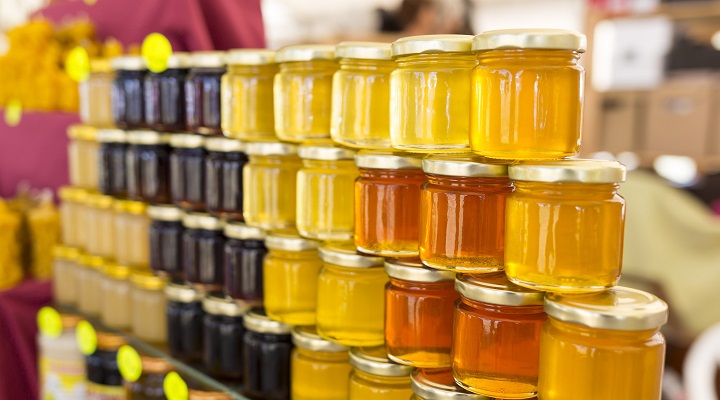

The sale and use of honey produced by Australian native stingless bees has been approved by Food Standards Australia New Zealand (FSANZ) following a comprehensive review.
The Australian Native Bee Association submitted an application to FSANZ last year and provided relevant data to support the assessment.
FSANZ had spent months reviewing the data, and other related information, and collected public comments before making the final decision.
The statutory body found “no convincing evidence that consumption of native bee honey at the requested compositional requirements presents a health risk to the general population if beekeepers apply good hygienic practice during harvesting and processing.”
The risks to vulnerable populations are also comparable to the risks from honeybee honey, it added.
As a result, FSANZ has added a new standard to the Australia New Zealand Food Standards Code, providing compositional requirements and labelling rules for Australian native bee honey.
According to FSANZ CEO Sandra Cuthbert, honey produced by stingless bees has different sugar and moisture content, thus a separate set of compositional requirements is needed. The current definition of honey in the Code is only appropriate to European honeybees, she added.
The ANBA said a food standard for native bee honey would create consumer confidence and lead to an increase in production and availability of the product. Stocks of this type of honey are currently very low and only offered by niche sellers on the internet.