
The collapse of a large-scale supermarket soft plastics collection scheme in Australia in 2022 exposed a structural gap in the country’s recycling system. Millions of households were encouraged to separate waste, but the infrastructure behind the system proved fragile.
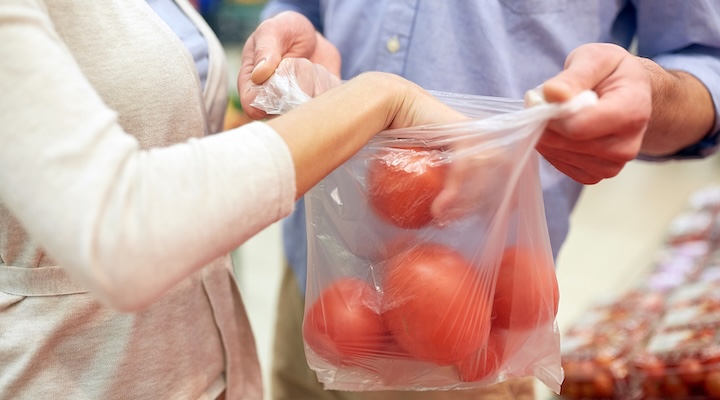
Soft plastics such as bread bags and similar packaging materials are excluded from kerbside bins as they can disrupt sorting systems. Less than 10 per cent of plastic is recycled globally, and soft plastics rely on voluntary drop-off programs.
In response, community food networks have introduced collection initiatives. Box Divvy operates across NSW, Victoria and the ACT. The network has built its own collection and recycling pipeline for soft plastics, diverting about 2.5 tonnes per month from landfill.
Box Divvy runs more than 350 neighbourhood food hubs using a decentralised model. Its model distributes food through neighbourhood hubs rather than supermarket shelves, reducing packaging layers.
“If we are serious about reshaping food systems, we cannot ignore the packaging that comes with them,” said Anton van den Berg, co-founder of Box Divvy. “We talk about transparency and fairness in supply chains. Taking responsibility for soft plastics is part of that same commitment.”
Over the past year, Box Divvy has built infrastructure to scale the program across its network. The NSW Environment Protection Authority funded half the initial cost of 500 soft plastic bins, with Box Divvy covering the remainder and ongoing costs. About 90 per cent of hubs in NSW and the ACT now have collection bins, with monthly volumes expected to approach three tonnes.
Members can bring soft plastics to their local hub on collection days at no cost. Collected material is picked up weekly by ReSmart and transported to a Sydney aggregation warehouse. It is then sent to an EPA-approved processor in Victoria.
The plastics are recycled into resin and manufactured into new food-grade bags. Box Divvy plans to purchase these bags to package dry goods such as nuts and beans.
Mikey Dukey from ReSmart said rebuilding confidence in soft plastics recycling depends on infrastructure, logistics and end markets.
The initiative follows a 2024 pilot in Southern Highlands, where six hubs collected 750 kilograms within several months. Scaling the model required coordination across logistics and funding to support ongoing operations.
Van den Berg said the program shows community supply chains can manage their own waste streams. “Circular economy only works if someone closes the loop,” he said. “If communities control parts of the supply chain, they can also take responsibility for the waste that flows through it.”