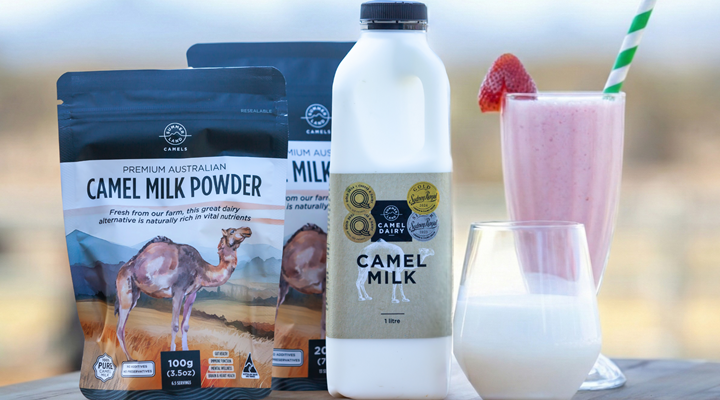

Camel milk is gaining demand as an alternative dairy product in Australia thanks to its nutrient-rich nature and benefits for people with digestive sensitivities.
Camel milk differs from cow’s milk in its protein structure, fat composition and naturally occurring bioactive compounds. The dairy is produced under the country’s strict food-safety and animal-health standards.
Paul Martin, founding director and CEO of Summer Land Camels, said many customers are looking for alternatives to conventional dairy, and camel milk is gaining popularity thanks to this trend. Martin is overseeing a herd of approximately 500 camels in the Scenic Rim region.
“We are seeing a massive shift in the market, both domestically and increasingly from health-conscious consumers in the US. There is also a rise in interest from Asian markets in camel milk powder,” Martin said.
“Many of our customers turn to camel milk because they struggle with food allergies or intolerances. Gut and digestive issues are increasingly common, and camel milk’s natural composition means it is often reported to be gentler and easier to tolerate than traditional dairy.”
Key differences
Summer Land Camels cited research findings that camel milk contains less lactose and less fat than cow milk, and does not contain β-lactoglobulin – a major allergen found in cow’s milk. It also has naturally occurring bioactive proteins such as lactoferrin and immunoglobulins, and is a good source of vitamin C, iron and B vitamins.
Small human studies suggest camel milk is often better tolerated by people with lactose intolerance, with many participants able to consume a full glass with minimal symptoms. Many customers of Summer Land Camels also report choosing camel milk because they want to continue consuming dairy but find cow’s milk difficult to tolerate.
In addition, scientific analysis shows camel milk contains bioactive proteins associated with immune regulation, antioxidant activity and antimicrobial functions in laboratory settings.
Summer Land Camels also collaborates with universities and researchers to support further study into camel milk’s nutritional properties and potential role in human diets.
As demand for camel milk rises, the business is looking to scale up and invites the community to participate in its growth through an equity crowdfunding campaign.
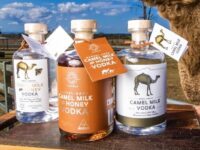
- Further reading: Summer Land Camels launches first camel milk vodka