

The seafood industry is backing a marketing campaign promoting the health benefits of eating fish twice a week.
The Two4Life nutrition campaign, launched by the Fisheries Research and Development Corporation (FRDC), aims to encourage Australians to maintain this intake over time.
The project follows the release of research analysing 281 peer-reviewed studies, concluding that eating two servings of seafood per week may result in a 30 per cent reduction in cardiovascular disease and Alzheimer’s risk, and a 10 per cent reduction in dementia risk.
FRDC is promoting a change in consumption patterns that experts say can be adopted at the population level. Nutrition scientist and dietitian Dr Joanna McMillan said the findings may influence how Australians approach daily meals.
“Two servings a week is something virtually every Australian can do,” she said, adding that it does not involve supplements or a diet overhaul. At least one serving should be oily fish, which contains omega-3. Both fresh and frozen seafood provide nutritional value, allowing flexibility in consumption.
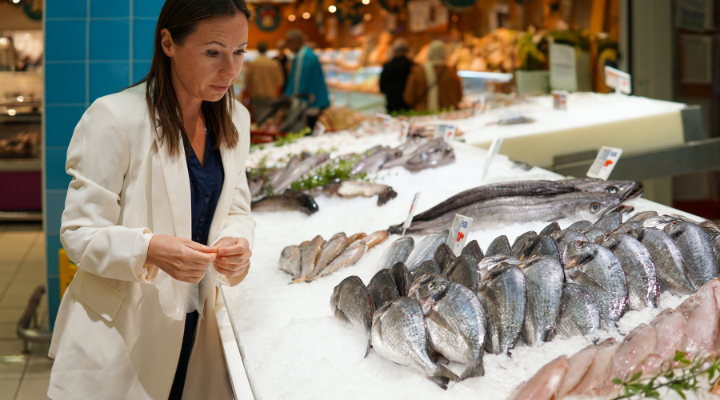
FRDC managing director Sean Sloan said the campaign also aims to support confidence in the domestic seafood sector, with supply across price points. “Seafood is good for the heart and good for the wallet too,” he said.
The body has also developed nutrition materials for retailers and food service operators to support communication at the point of sale.
The campaign recommends that consumers start by replacing one or two meals per week with seafood. Frozen seafood offers convenience, while options such as mussels, pipi, sardines and prawns are available.
Omega-3 in seafood helps reduce inflammation, improve blood vessel function, and maintain brain structure. Regular intake is also linked to ageing and a lower risk of falls in older people.
Studies show adults who eat seafood weekly have a 26 per cent lower risk of depression. Nutrients in seafood also support foetal brain development during pregnancy.
Lead researcher Dr Wendy Hunt of Murdoch University said maintaining this intake may deliver effects across the lifespan. Researcher Professor Alexandra McManus of Curtin University said the recommendation is achievable, with a serving size of 100–150 grams.
- Further reading: Supermarkets take centre stage at Sustainable Seafood Awards.