
Recent findings that show a sharp increase in illicit alcohol have highlighted the ineffectiveness of Australia’s current spirits tax settings, with peak bodies now calling for urgent action from policymakers.
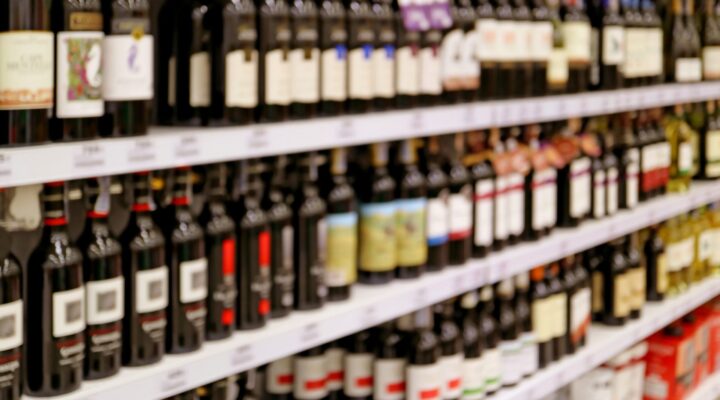
A preliminary investigation of licensed retailers in Melbourne has found that illicit bottles of vodka are often being sold at a lower price than competitor products. Chemical testing also showed the bottles contained methanol well above allowable levels, as well as plastic contaminants.
The researchers, from the National Drug and Alcohol Research Centre at UNSW Sydney and the National Drug Research Institute at Curtin University in Perth, said early findings demonstrated how prevalent illicit alcohol products are in Australia. The products have the outward appearance of a legal product and are being sold to unsuspecting customers.
According to Retail Drinks CEO Michael Waters, illegal alcohol is no longer a niche compliance issue, but a growing threat to consumers, legitimate retailers, and public confidence in the alcohol supply chain.
“The legitimate industry will not stand for criminal or non-compliant operators who avoid excise, bypass regulatory obligations, and sell products at prices that should immediately raise suspicion,” Waters said.
Australia has the highest spirits tax in the world, outside of Scandinavia, and it will rise again in August to over $110 per litre of pure alcohol. The spirits industry has been voicing concerns that a high excise rate, equating to more than $30 on a standard 700ml bottle of spirits, is accelerating demand for cheaper, illicit products.
“Retail Drinks has long advocated for a reduction in government-imposed costs on liquor retailers, including lower taxes, fees, and charges. It’s particularly concerning how this is playing out in the spirits category as the high excise on spirits is contributing to the current spike in illegal activity,” Waters continued.
Spirits & Cocktails Australia executive director Steven Fanner also calls on the Federal Government to review the tax settings, warning that they only have a “narrow window of opportunity” before the spirits industry follows the same path seen in tobacco.
“Industry has consistently warned government that Australia’s spirits taxation arrangements, combining high tax rates and loose controls, are now creating an environment that risks incentivising demand for illicit alcohol and opportunistic behaviour,” Fanner said.
Australian Distillers Association CEO Kylie Lethbridge voiced similar concerns, saying that any alcohol produced or sold outside Australia’s strict regulatory framework poses significant risks to consumer confidence, public safety and the legitimate businesses.