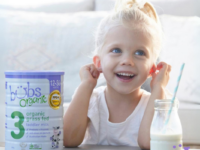
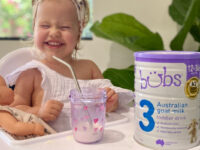
Infant nutrition and dairy products company Bubs has reported a loss of $44 million, including $20 million in non-cash impairments relating to the Deloraine Dairy cash-generating unit.
Key factors that affected earnings include a $10.5 million provision for inventory and doubtful debts, increased wages, legal and regulatory costs associated with the entry into the US, and setting the foundation of operations in North America.
The group’s gross margin of 8 per cent was also impacted by inventory provision balance, driven by volatile trading conditions and “slower than expected” consumer uptake in key markets.
Bubs founder and CEO Kristy Carr said that although the group’s gross revenue was flat, the first half of the financial year saw demand build for the company’s products.
Revenue for all branded products increased 12 per cent, and Bubs Infant Formula jumped 44 per cent compared to last year. This growth was driven by the company’s fast-tracked entry into the US, contributing 31 per cent of first-half group revenue.
However, net sales were down 6 per cent due to a sharp sales downturn in China and cycling $5.3 million in low-margin bulk ingredient sales in the same period last year.
The EBITDA loss includes a $20 million non-cash impairment due to the Deloraine Dairy cash-generating unit, driven by the uncertainty of the State Administration for Market Regulation (SAMR) approval time frame, which the company says to a certain extent, lies outside of its control.
“Other key factors impacting earnings were $10.5 million in provisions for inventory and doubtful debts,” continued Carr. “However, the company expects the momentum to build in the second half and to work through the inventory, which still has a plentiful shelf-life.”
She explained that the accelerated entry into the US required increased investment in organisational capability, including employee costs, premises, and marketing, as well as regulatory, legal and consultancy fees needed to secure successful new market entry and permanent FDA approval.
“We expect to see increased costs in obtaining permanent FDA approval in the second half of 2023, along with the consistent investment in business operations and marketing activities,” Carr concluded.
The company said it is focused on optimising its inventory position, converting inventory to cash, and limiting its exposure to inventory write-offs. In addition, it will actively seek to recover some of its doubtful debts.