
The Australian plant-based alt-meat industry has witnessed growth in volume and variety in recent years, with the number of brands having grown from fewer than five in 2017 to more than 30. The range of products has surged from fewer than 90 to just under 300.
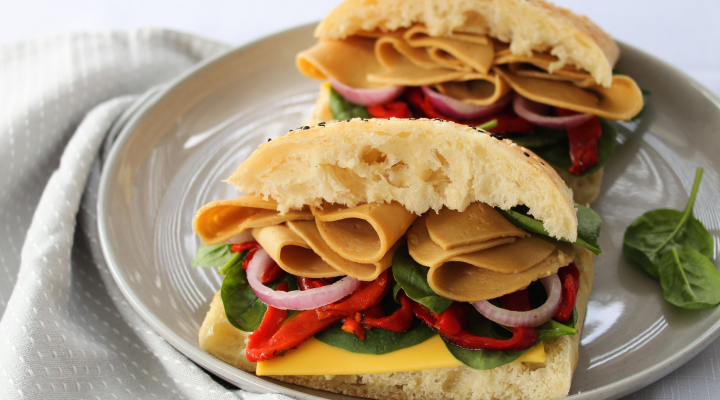
According to research from Food Frontier, the alternative protein think tank, consumers are increasingly looking for convenience, which has led to a rise in formats such as nuggets, mince, meatballs, deli slices, schnitzels, and finger foods.
The research suggests that demand for more versatile and functional formats like beef-style strips, chunks, and whole-cut style products is also increasing. However, the number of products in each category is still relatively low, with fewer than 10 products in each market.
The findings result from audits of major supermarkets in Melbourne and Sydney in mid-2023.
Dr Simon Eassom, CEO of Food Frontier, notes that the findings show how the plant-based alt-meat market in the country is still evolving and maturing.
“We know that the early adopters of plant-based meats in Australia and around the world are flexitarians – they are the cohort used to centre-of-plate proteins or protein-based dishes that are now looking for healthier alternatives to conventional protein sources and for products that mimic what they’re used to buying,” explained Dr Eassom.
When plant-based alt-meat options first appeared on Australian shelves – about six years ago – most were utility foods such as sausages and burgers.
With too many manufacturers offering the same product type, Dr Eassom said customers vote with their taste buds and wallets. From having zero increase and minor visibility in the number of manufacturers, a few strong brands with more variety now dominate the market.
“The data gathered by Food Frontier indicates that other formats that can be incorporated into a much wider range of dishes are gaining favour, and manufacturers are responding accordingly,” he added.
The number of plant-based alt-meat products available in the country peaked at about 350 in early 2023, and since then, there has been consolidation, as expected, in new food categories.
Dr Eassom believes that the category will continue to evolve and wouldn’t be surprised to see further changes, such as company integration and product formulations.
“This is a food industry that’s continuing to innovate and adapt to consumer tastes and budgets, and the availability of more sophisticated ingredients will help manufacturers improve products to meet expectations around taste and texture as well as price,” he concluded.