The global market for dairy product packaging is expected to reach US$43.6 billion by 2030, with an estimated annual growth rate of 4.5 per cent, according to a report by Future Market Insights.
The dairy industry faces challenges such as an imbalance between supply and demand, slow milk production, and abundant powdered milk, resulting in an “erratic” growth in the dairy packaging market.
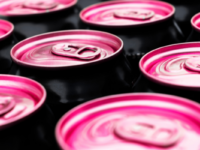
Traditionally, dairy packaging falls into seven categories: liquid cartons, bottles & jars, pouches, cans & jerry cans, cups & tubs, folding cartons, films & wraps, and alternative packaging formats.
To stand out in the market, manufacturers are turning to innovative packaging solutions that incorporate eye-catching designs and aseptic techniques, which ensure the product containers are free from disease-causing micro-organisms.
Extending shelf-life as the key driving force
The report highlighted that one of the key driving forces behind the global dairy packaging industries is the increased demand for aseptic packaging, particularly for liquid dairy such as fresh milk. Aseptic packaging helps extend the shelf life of dairy products and addresses consumer concerns about food safety.
Aside from aseptic properties, flexibility is another factor that is becoming more popular in the packaging industry despite the advantages of stiffer packaging in terms of moisture, oxygen, and light resistance. Retortable containers within the flexible packaging sector are expected to drive significant demand from 2022 to 2030.
Regional insights
Regionally, North America accounts for over 30 per cent of the global dairy product packaging market, driven by the rising preference for dairy products like flavoured low-fat yogurt and flavoured milk in the United States.
Europe follows closely behind due to the high consumption of cheese varieties such as parmesan, mozzarella, and provolone.
Meanwhile, the Asia-Pacific region is anticipated to grow substantially, particularly among Gen Z consumers who favour dairy products like cheese and paneer.