Vodka makers are taking a leaf out of the gin-making playbook, using botanicals and blends to create innovative flavours, says the International Wines and Spirits Record (IWSR).
Despite being “outshone” by other spirits in recent years, things are starting to change for the category as new product launches tap into contemporary and crossovers.
Pre-mixed and RTDs
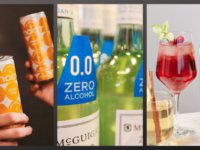
Because of increased demand for convenience, the pre-mixed and ready-to-drink (RTD) formats have grown in popularity.
RTD cocktails, for example, saw global volumes increase by 10 per cent in 2021-22 and are expected to grow at a CAGR of 6 per cent from 2022-27.
The study said vodka is well-placed to capitalise on these trends as spirits-based RTDs were set to replace the hard seltzer boom a few years ago.
Highlighting the classic cocktail trend include those from Billson’s with its lollipop-inspired Sour Blueberry vodka premix and Mishka’s fruit-flavoured RTD pre-mixed vodka.
Flavoured expressions
More recently, vodka makers are not just highlighting the flavours in its raw materials but also have begun using additional ingredients – including natural botanicals and extracts – that expand the drink’s flavoured expressions from subtle to overt.
These new flavours bridge the gap between gin and vodka categories and appeal to consumers familiar with botanical spirits and those not interested in sweet or artificial-flavoured vodka.
In addition, because these spirits are distilled and not generally sweet, they tend to be low in calories and resonate with health-conscious consumers.
Sustainable spirits
According to IWSR data, sustainability has been a growing trend in the spirits category, with vodka brands presently highlighting their origins.
Aside from their heritage, brands also present transparency on the ingredients used and the vodka’s distillation process.
An example of a sustainable spirits brand is 80 Proof Australia’s Ugly Vodka, with part of its base spirit made from apples that would otherwise be thrown away. The brand’s first batch is said to have saved 20 tonnes of apples from going to waste.
Move to premium
According to the IWSR, vodka, as with the spirits category in general, is leaning towards more premium launches.
Data shows that the growth of the total vodka market has been “largely flat” and is expected to remain so over the next five years.
However, the global premium-and-above segment has seen more positive growth, expanding in consumption volume by over 6 per cent last year, with an expected CAGR of over 3 per cent during 2022-27.